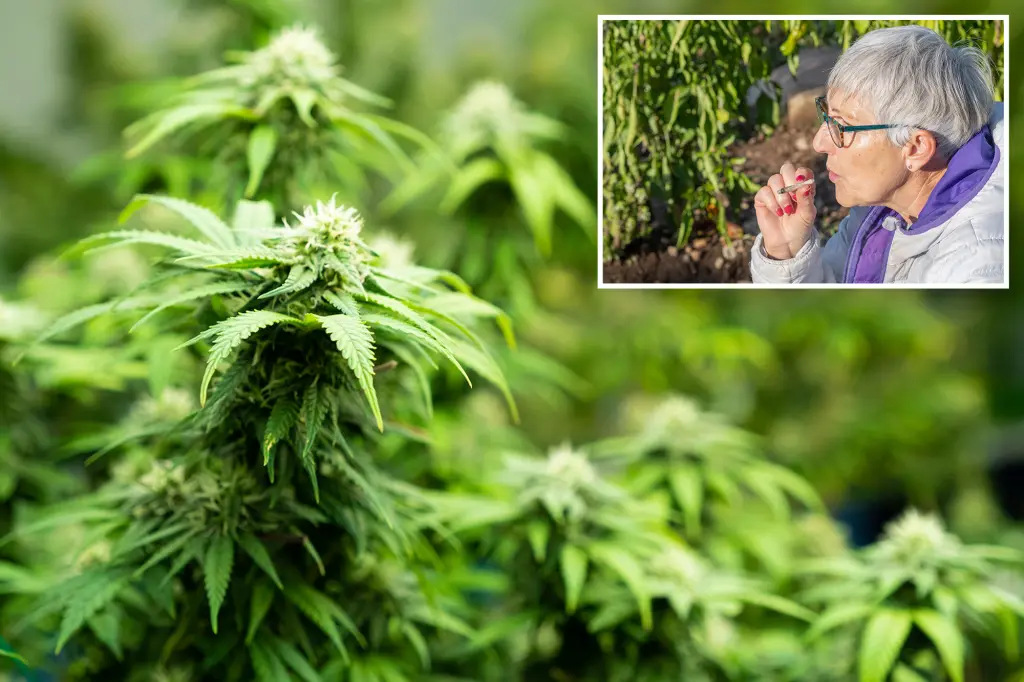
When her son left West Hartford for his freshman year at American University in 2018, Amy Wadsworth expected ordinary college adjustments. Instead, she says, he began using high-potency cannabis products and within months developed a psychotic episode that required hospitalization and ongoing treatment. Wadsworth now supports stricter rules on THC limits and tighter sales controls.
Stories like Wadsworth’s are surfacing across multiple states and are feeding a fast-moving policy debate: whether and how to limit product potency, restrict certain formats such as vaping concentrates, and expand treatment for cannabis-related mental health problems.
Trends in potency
Laboratory and marketplace data show clear increases in THC concentration over the last two decades. Samples seized by federal agencies averaged roughly 4% THC in the mid-1990s and about 12% by 2014, according to National Institute on Drug Abuse compilations. In legal retail markets today, typical cannabis flower often tests between 15% and 25% THC. Concentrates and vape cartridges commonly test between 60% and 90% THC.
Those shifts change both exposure and risk. A single inhalation of a 70% THC concentrate delivers many times the psychoactive dose of a 10–15% flower joint. Edible products also concentrate dose: many states and manufacturers use 10 milligrams of THC as one standard “dose,” and retail packages commonly limit total THC per package to 100 mg — though availability of higher-dose products varies by jurisdiction.
Research linking potency to harms
Clinical researchers and public-health scientists have reported associations between high-THC use and increased risk of psychotic disorders and cannabis dependence. A widely cited 2019 study in The Lancet Psychiatry found that people who used high-potency cannabis daily had roughly three times the odds of developing psychosis compared with never-users. Other studies show that starting cannabis in adolescence raises the lifetime risk of problematic use: overall lifetime risk of cannabis use disorder is often cited near 9% for all users, rising to about 17% for those who begin use in adolescence and higher for daily users — estimates range up to roughly 25% to 50% dependence rates among daily users in some cohorts.
Clinicians report seeing more severe presentations that they link to newer products. Emergency departments and psychiatric units in some urban areas have reported increases in visits related to acute psychosis or severe anxiety after ingestion of high-potency cannabis concentrates or synthetic cannabinoids. Researchers caution that causation is complex: genetics, trauma history, concurrent substance use, and preexisting mental illness all modify risk. Still, potency is a measurable, controllable exposure that lawmakers can target.
State responses and proposals
Lawmakers and regulators are taking varied approaches. Proposals under consideration in several states include:
– Caps on THC concentration for specific product categories (for example, lower maximum THC for vape cartridges or concentrates than for flower). – Per-serving and per-package THC limits for edibles (10 mg per serving, 100 mg per package are common benchmarks used by regulators and industry groups). – Age-verification and retail restrictions to reduce youth access, plus limits on advertising that targets young people. – Mandatory potency testing and standardized labeling that shows milligrams of THC per serving. – Bans or restrictions on flavored vape products and certain extract formats that critics say appeal to adolescents.
Regulators face tradeoffs. Industry groups argue that strict potency caps could push consumers toward illicit markets that sell untested, potentially contaminated products. Public-health advocates counter that unregulated high-strength products raise measurable risks and that clear regulatory limits and enforcement reduce harm.
Public-health and clinical measures
Health officials and clinicians emphasize prevention, screening, and treatment expansion. Practical steps being pursued or recommended include:
– School- and community-based prevention programs focused on adolescent use and the risks associated with potent products. – Training for primary-care and mental-health providers to screen for cannabis use patterns and early signs of psychosis. – Increased funding for addiction treatment and crisis psychiatric care in areas with rising cannabis-related visits. – Public education campaigns that explain dose (milligrams of THC), differences between product types, and specific risks for people with personal or family histories of psychosis.
Evidence gaps and research priorities
Researchers point to several data needs that could sharpen policy choices: longitudinal studies that track individual use patterns by product type and dose; standardized potency testing across states; and trials of interventions that reduce high-risk use. Better data on emergency visits and hospitalizations tied to specific product types would also help regulators weigh the harms of caps or prohibitions.
What consumers and clinicians can do now
Clinicians advise caution, especially for adolescents and people with a personal or family history of psychotic disorders. Specific, measurable precautions include:
– Avoid daily use, particularly of high-THC concentrates or vaping products. – Treat 10 mg THC as a standard single edible dose and avoid consuming multiple servings at once. – Seek medical evaluation for new or worsening anxiety, paranoia, hallucinations, or disordered thinking after cannabis use.
Wadsworth and other parents urge policymakers to act quickly. “I don’t want other families to go through this,” she said. “States can limit the strongest products and require clear labeling so people understand what they’re buying.”
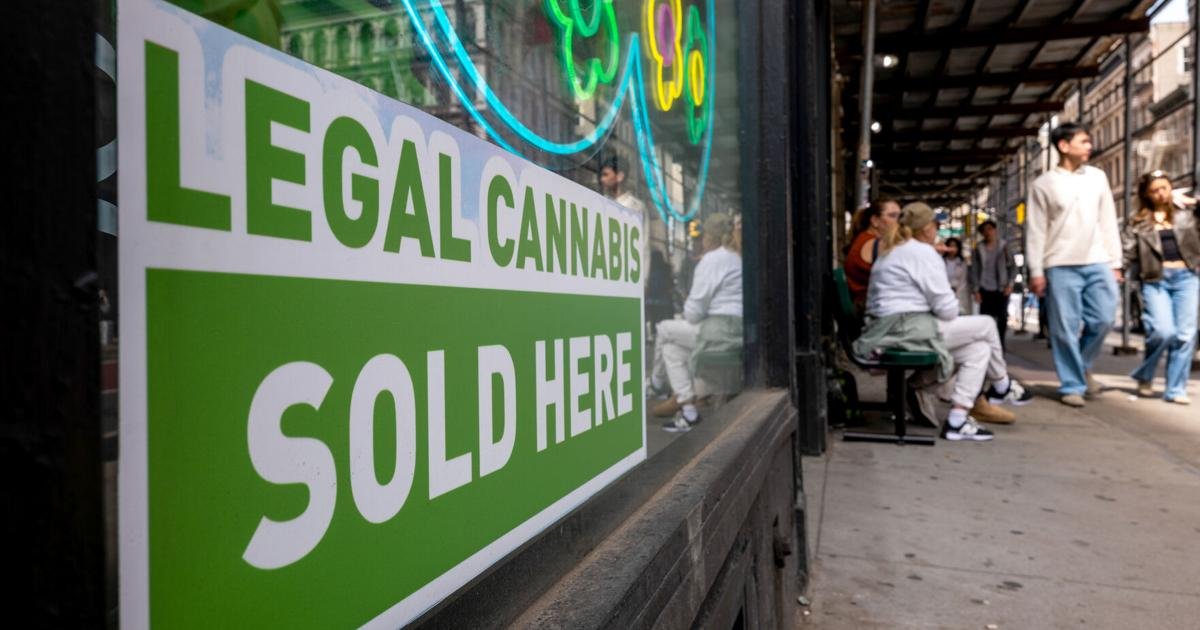
As states continue to legalize and regulate cannabis sales, policymakers face choices about how to limit measurable exposures that research and clinicians link to rising behavioral-health burdens. The debate now centers on which regulatory levers — potency caps, per-dose limits, packaging rules, or stronger access controls — will reduce hospitalizations and dependence without driving consumers to unregulated markets. Researchers say better data on product-specific harms would let states assess the effect of each approach and measure outcomes such as rates of psychosis-related hospitalizations, prevalence of daily use among teens, and treatment admissions for cannabis use disorder.